Saloum Delta National Park
Saloum Delta National Park
Listed as a UNESCO World Heritage site, the Saloum Delta brings together mangroves, sandy islands and bolongs inhabited by dolphins, manatees and over 300 bird species. A territory to explore by canoe, far from the usual tourist circuits.
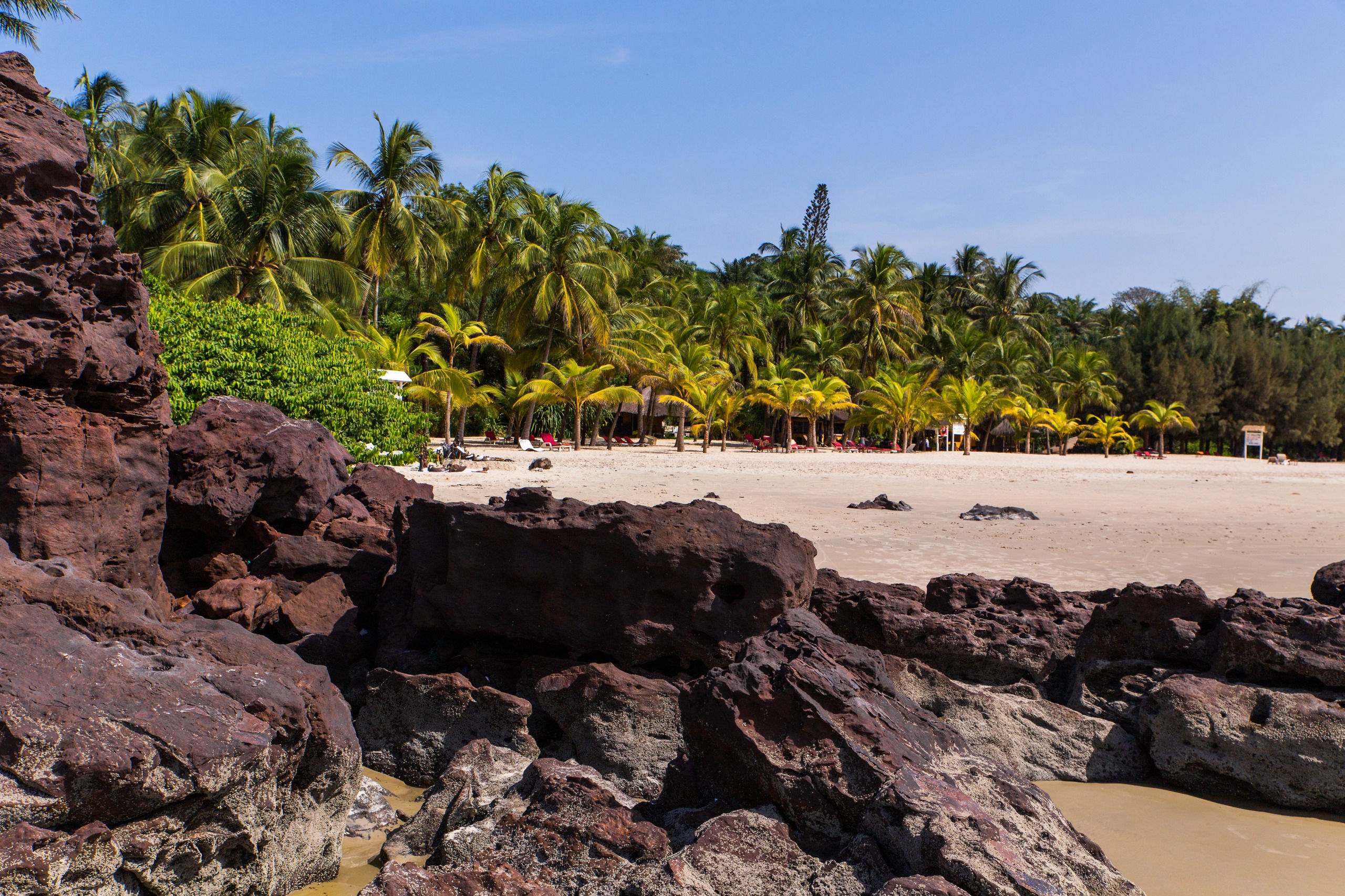
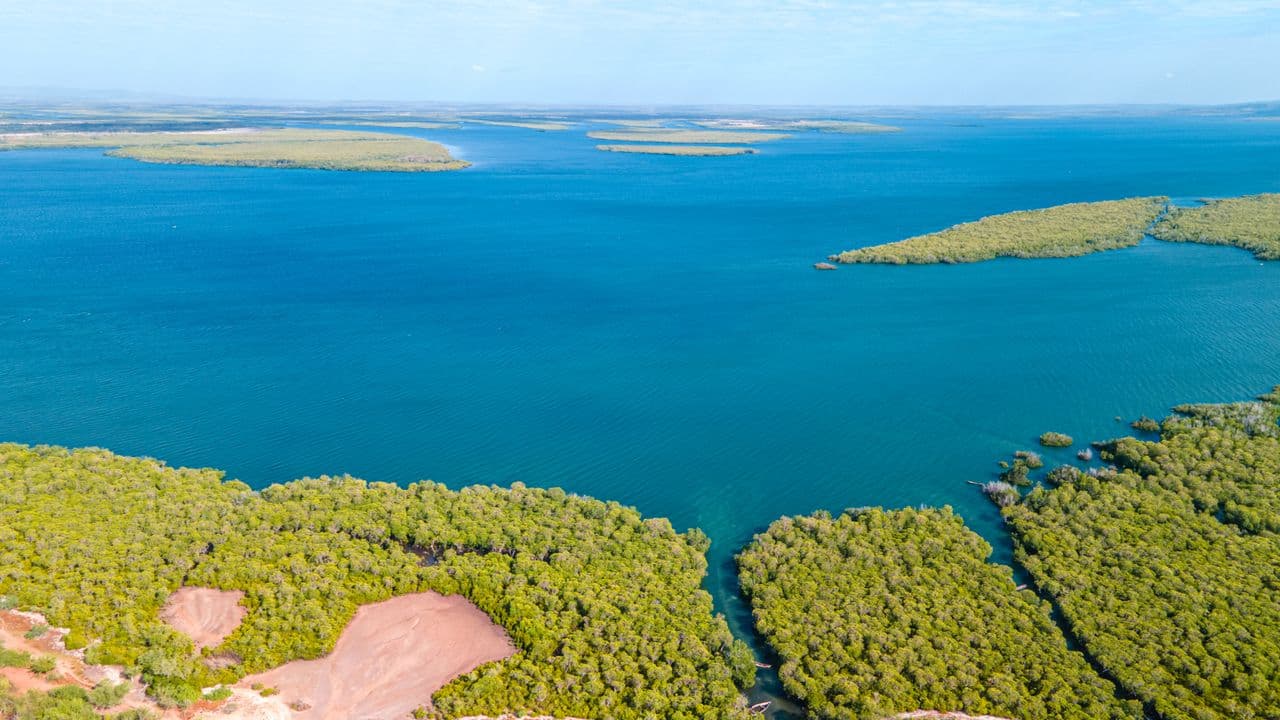
Saloum Delta National Park spans some 76,000 hectares of mangroves, bolongs, sandy islands and wooded savanna in southwestern Sénégal. Designated a UNESCO World Heritage site in 1981, it shelters exceptional biodiversity: migratory birds, dolphins, manatees and a mosaic of coastal ecosystems. It is one of the rare places in West Africa where forest, sea and river merge into a single landscape.
Practical information at a glance
- Entrance: paid — park access fee to be settled at the entrance (official rate set by Sénégal's National Parks Authority).
- Access: from Dakar, road towards Kaolack then Foundiougne or Ndangane; laterite track on some sections — 4×4 vehicle recommended during the rainy season.
- Recommended duration: 2 to 3 days minimum to cover the bolongs, islands and savanna.
- Best time: November to April (dry season) — migratory birds present, tracks passable.
- Clothing: light, loose-fitting clothing, hat, sun protection; closed-toe boots or sandals for canoe outings.
What to see
The delta comprises three distinct zones: the bolongs (sea channels bordered by mangroves), the Gandoul and Betanti islands, and the continental dry forest. The mangroves are home to goliath herons, egrets, pelicans and flamingos. By canoe, it is common to spot Atlantic humpback dolphins and, more rarely, West African manatees.
History and context
The Saloum delta has been inhabited for millennia by Serer peoples. The shellfish mounds (kjökkenmöddings) scattered across the islands bear witness to human occupation dating back over 2,000 years. These artificial mounds, classified along with the park, constitute a rare archaeological heritage in sub-Saharan Africa. The Niominka fishing villages perpetuate to this day a maritime culture closely linked to the rhythms of the delta.
Highlights of the visit
Canoe trips through the bolongs
Silent navigation through mangrove channels is the central experience of the park. At dawn, birds are active and the raking light colours the mangroves. Local guides know the passages where dolphins and manatees regularly rise.
Bird watching
The delta is a major stop on the West African migration route. Over 300 bird species have been recorded, including the grey pelican, pied kingfisher and several wading species. The exposed mudflats at low tide concentrate the largest gatherings.
The shellfish mounds of Faboura and Djinak
These islands hold kjökkenmöddings reaching several metres in height. Some still serve as cemeteries for Serer communities, which gives them a sacred character to be respected during visits.
Niominka villages
The Gandoul islands are home to fishing villages accessible only by canoe. The welcome is simple; a few families offer basic hut accommodation. It's an opportunity to observe traditional wooden canoe building.
Etiquette and visiting rules
- Do not enter cemetery areas on the islands without permission from the locals.
- Prohibition on cutting or removing plants from the park.
- Fishing is regulated: respect fishing zones reserved for local communities.
- Avoid excessive noise during bird-watching outings.
Photography tips
Morning light (6 a.m.–9 a.m.) is ideal when paddling: reflections on the water, birds in flight, light mist over the bolongs. Bring a waterproof bag — splashing is frequent. The shellfish mounds offer striking framing in late afternoon with golden light. Always ask permission from locals before photographing in villages.
Location and access
The park stretches across the Fatick and Kaolack regions. The main entry points are Ndangane (access to the northern bolongs) and Djifer (southern tip). From Dakar, allow approximately 4 to 5 hours of driving depending on the entry point. Local agencies in Ndangane and Kaolack organise canoe excursions with naturalist guides. Wheelchair access is very limited due to sandy terrain and canoe boarding.
Nearby
- Mar Lodj Island — a car-free Serer island, ideal for extended immersion in local culture.
- Kaolack — major trading town known for its covered market and peanut trade.
- Fathala Reserve — neighbouring classified forest home to giraffes and Buffon's kob, accessible from Toubacouta.
- Ndangane — fishing village, privileged departure point for canoes to the islands.
Frequently asked questions
The dry season, from November to April, is the most favourable: passable tracks, migratory birds present in large numbers and bearable heat in the morning. Avoid July-September when rains make some tracks impassable.
A local guide is strongly recommended, especially for canoe trips through the bolongs. They know the wildlife observation zones, community rules on the islands and navigable passages depending on the tide.
West African manatees are present in the delta, but sightings remain rare and not guaranteed. Humpback dolphins are more frequently spotted during canoe trips through open bolongs.
Two to three days allow you to combine a bird-watching outing, the visit of one or two villages on the islands and exploration of the shellfish mounds. A single day from Dakar permits only a very partial overview.
Several eco-tourism camps and lodges are located on the park's periphery, notably around Toubacouta and Ndangane. Some families on the islands offer simple hut accommodation.
Wildlife and landscape photography is permitted throughout the park. In villages and at funeral sites on the shellfish mounds, always ask permission from locals before photographing.
Interested in this visit?
We can include it in your personalised itinerary.