Complete guide to Senegal
Based in Dakar, our team travels across Senegal year-round to fine-tune our itineraries to on-the-ground realities. The country fits into a compact format, approximately 200,000 km², yet juxtaposes strikingly contrasting landscapes: the Cape Verde peninsula and its ochre cliffs, the Saloum delta and its bolongs bordered by mangroves, the Sahel steppe of Ferlo, then tropical Casamance south of the Gambia, with its rice paddies and iroko forests.
Three traits define the Senegalese experience. First, vibrant culture: téranga (hospitality) is not a slogan, it is lived around a shared thieboudienne or ataya poured three times. Next, ornithological richness, with Djoudj park welcoming over three million migratory birds between November and March. Finally, historical heritage, from Gorée island to Saint-Louis, a UNESCO World Heritage site, passing through the megalithic circles of Sine Ngayène.
For a first trip, plan ten to twelve days to combine Dakar, the Saloum, and Saint-Louis. Casamance requires two to three additional days and a domestic flight or a long drive via the Gambia. Didier and our English-speaking team based in Dakar will guide you based on your departure season and pace.
The regions of Senegal
Each region has its own personality: climate, landscapes, pace of life and ways of traveling. Our local team helps you choose the combination that suits you.
Dakar and Petite Côte
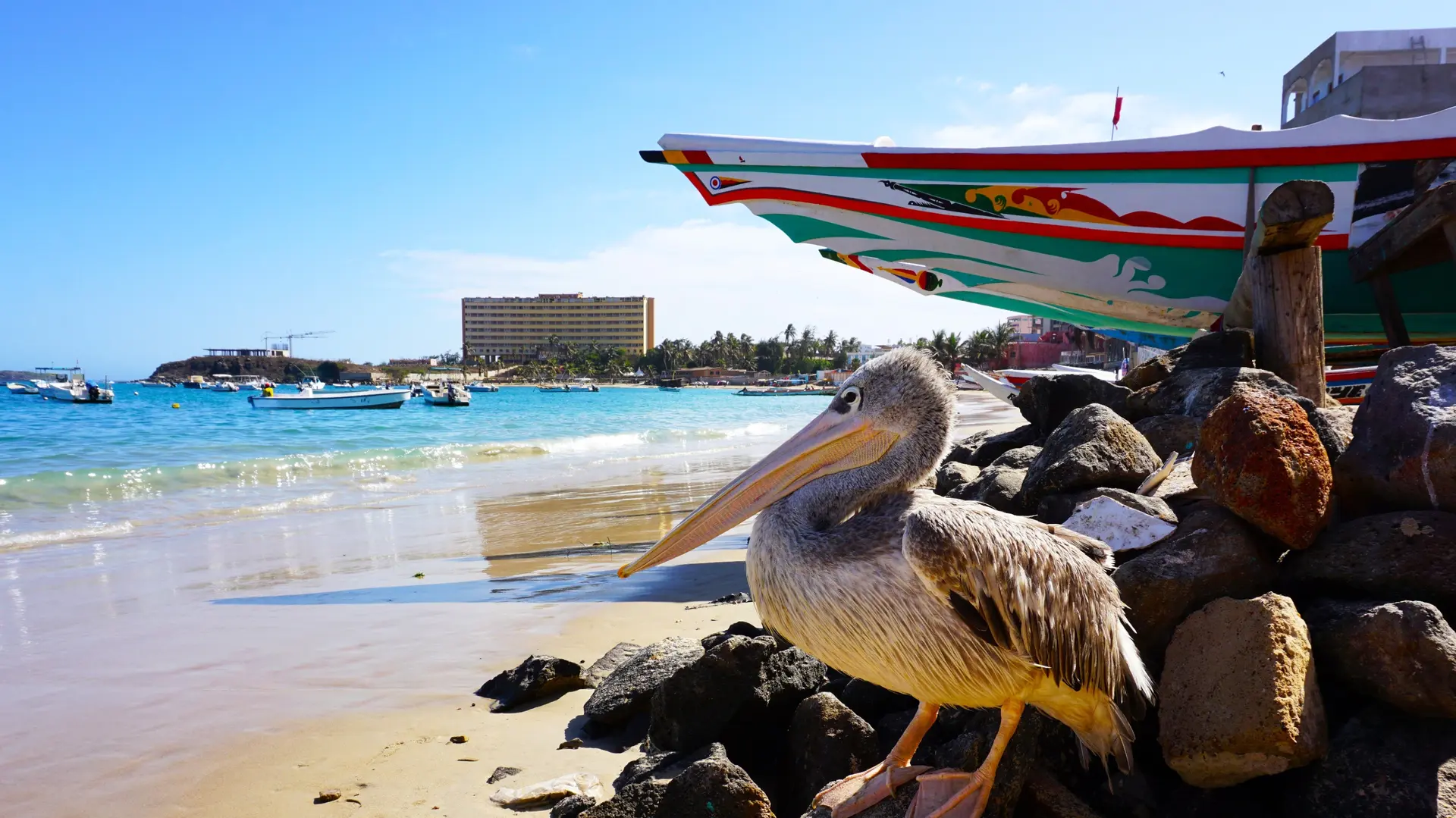
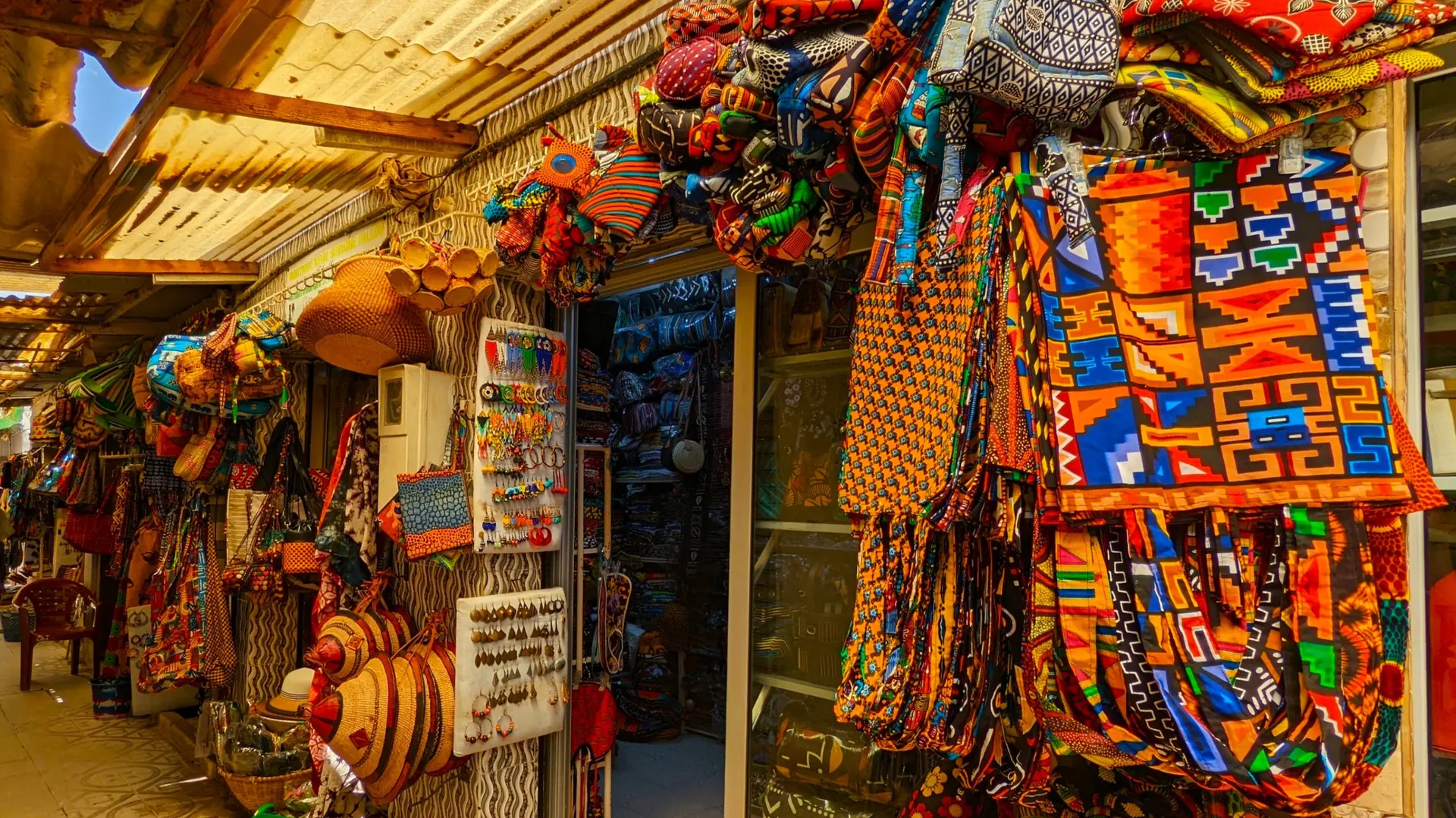
Dakar concentrates the energy of the country: Sandaga market, artist workshops in Médina, Gorée memorial twenty minutes by boat. The Petite Côte then stretches south, from Toubab Dialaw to Joal-Fadiouth, the village built on shells. The beaches of Saly and La Somone are perfect for ending your stay, with water at 25°C in the dry season. Allow two to three days to grasp the contrast between the bustling capital and the rhythm of Lébou villages, where pirogues return at dawn laden with thiof and captains.
Saint-Louis and the North
Former capital of French West Africa, Saint-Louis lines its colonial houses with wooden balconies on a narrow island between river and ocean. The city comes alive each May for its jazz festival. An hour north, Djoudj National Park is home to white pelicans, dwarf flamingos and goliath herons, observable by pirogue from November to April. Langue de Barbarie, a thin strip of sand thirty kilometers long, separates the Senegal River from the Atlantic. Slow pace, golden light, mild temperatures from December to February, around 22 to 28 °C.
Sine Saloum
The Saloum delta spans 180,000 hectares of mangroves, bolongs and islands inhabited by the Sérères Niominka. From Ndangane or Toubacouta, pirogue excursions lead to Bird Island and Shell Island, ancient deposits of shucked oysters. Discreet lodges set along waterways serve smoked fish and rice with yet sauce. It's also an excellent spot for anglers and birdwatchers. Two to three nights are enough to soak in the lagoon's rhythm, ideally between November and May.
Casamance
South of Gambia, Casamance shifts into a different landscape: oil palms, flooded rice fields, and the thatched Diola homes with central courtyards. Cap Skirring offers uncrowded Atlantic beaches, while Oussouye and surrounding villages preserve their animist rituals. Ziguinchor, on the Casamance River, serves as the gateway, accessible by a 45-minute flight from Dakar or an overnight ferry. The region stays lush eight months a year, with rainy season from July to October. Plan three to four days to combine coastal and forest villages, moving at the local pace.
Bassari Country and Eastern Senegal
At the far south-east, the Bassari country, a UNESCO World Heritage site, brings together Bassari, Bedik and Peul communities, settled at the foot of the Fouta-Djalon foothills. The villages of Iwol and Andiel are discovered on foot, along rocky trails climbing between baobabs and silk-cotton trees. Niokolo-Koba Park, the country's largest protected area, is home to hippotragues, hippopotamuses and discreet wildlife. Kédougou is ten hours' drive from Dakar, or one hour's flight via Tambacounda. A hot region, reaching up to 40°C in April, best visited from December to February.
Lompoul Desert
Between Dakar and Saint-Louis, the Lompoul desert forms an enclave of ochre dunes spanning 18 km², wedged between Peul villages and the nearby ocean. Mauritanian tent camps allow for nights under the stars, with camel treks at sunset. It's an easy stop to add on the northern route, three hours from Dakar. Cool nights from December to February, around 18°C, with hot but dry days. One night is enough, ideally combined with Lake Rose at the beginning or end of your circuit.
Explore by theme
Unique experiences tailored to every traveler.
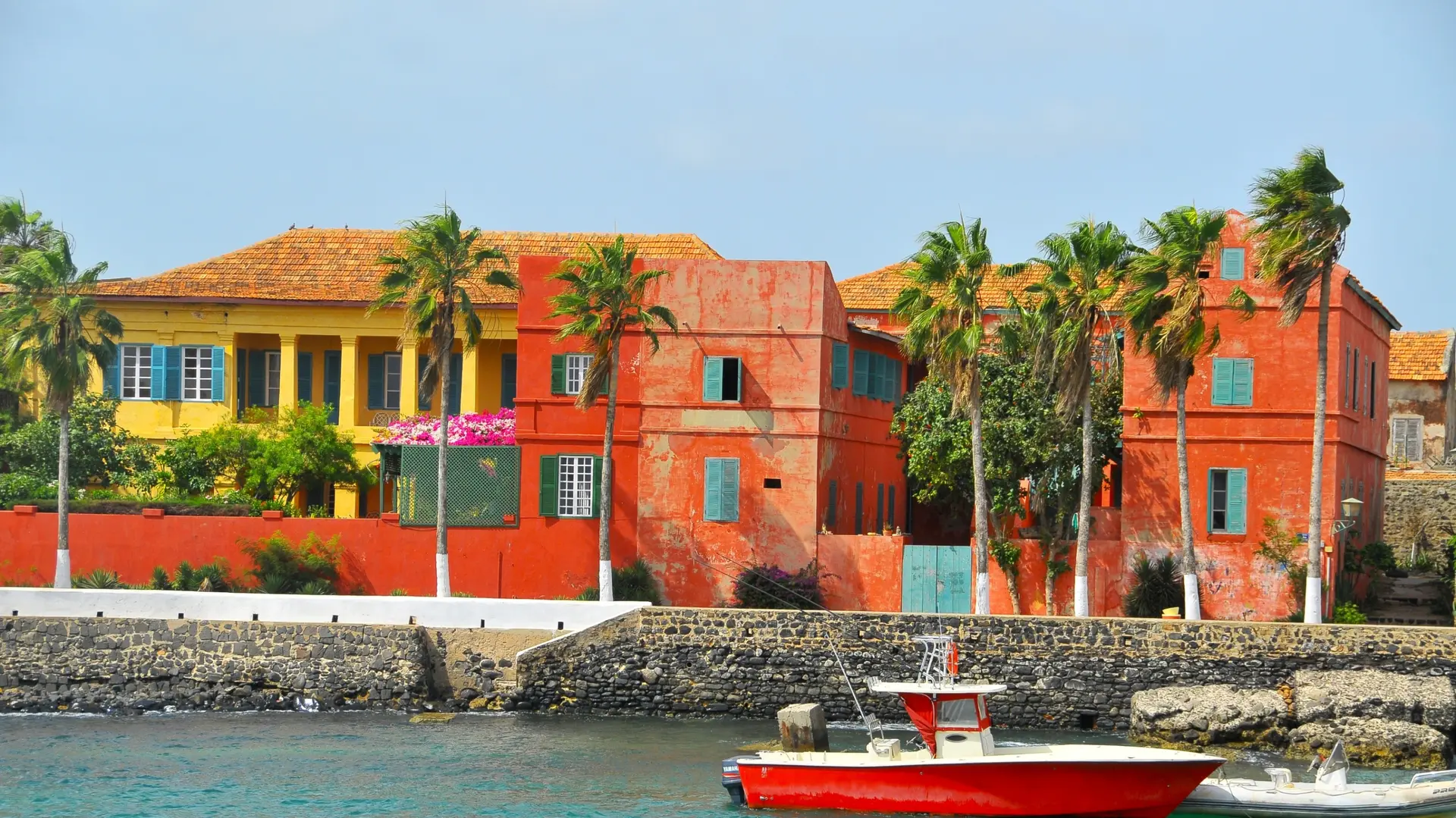
Culture et Patrimoine
Temples, musées, sites historiques
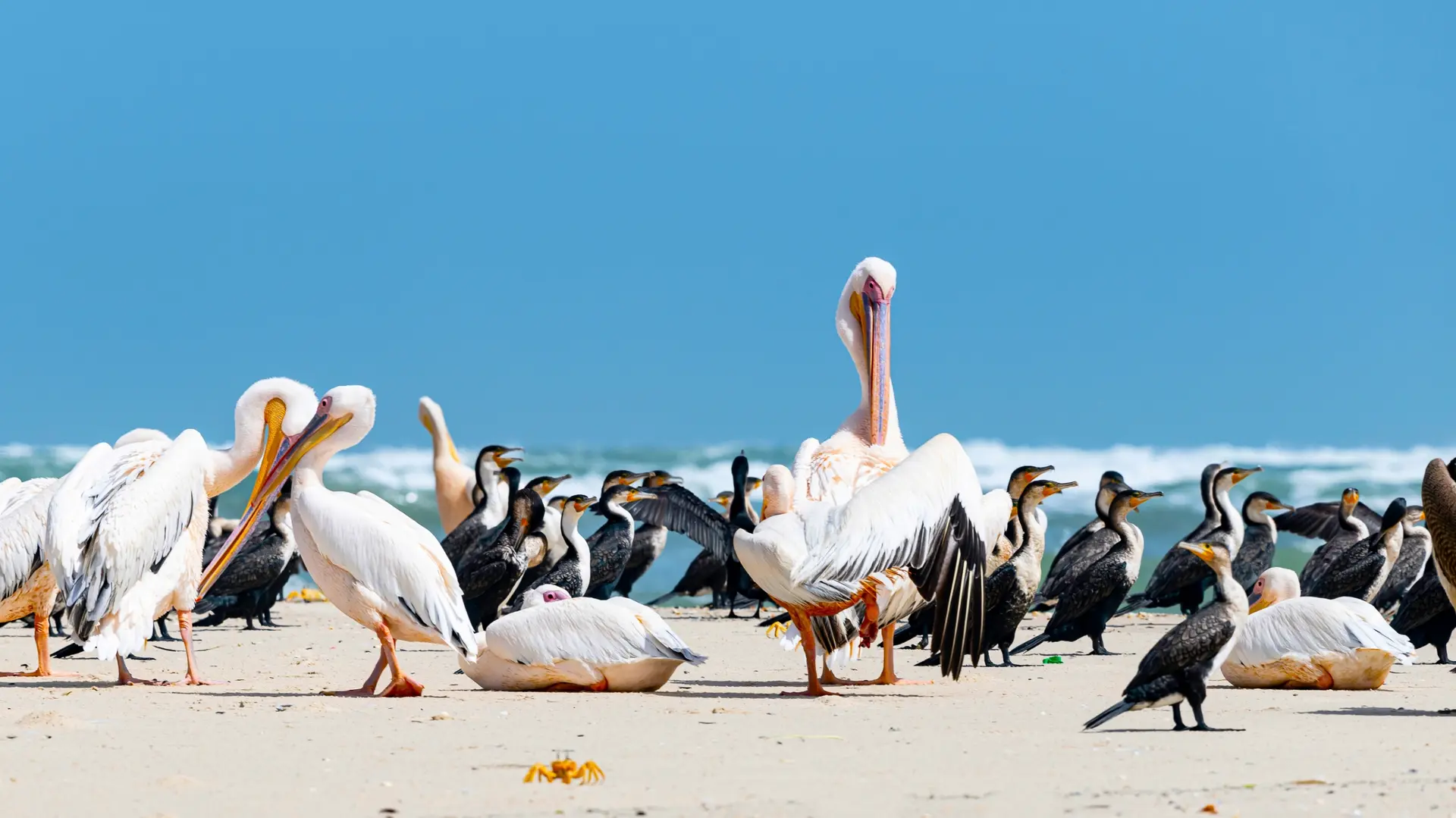
Nature et Paysage
Parcs nationaux, montagnes, forêts
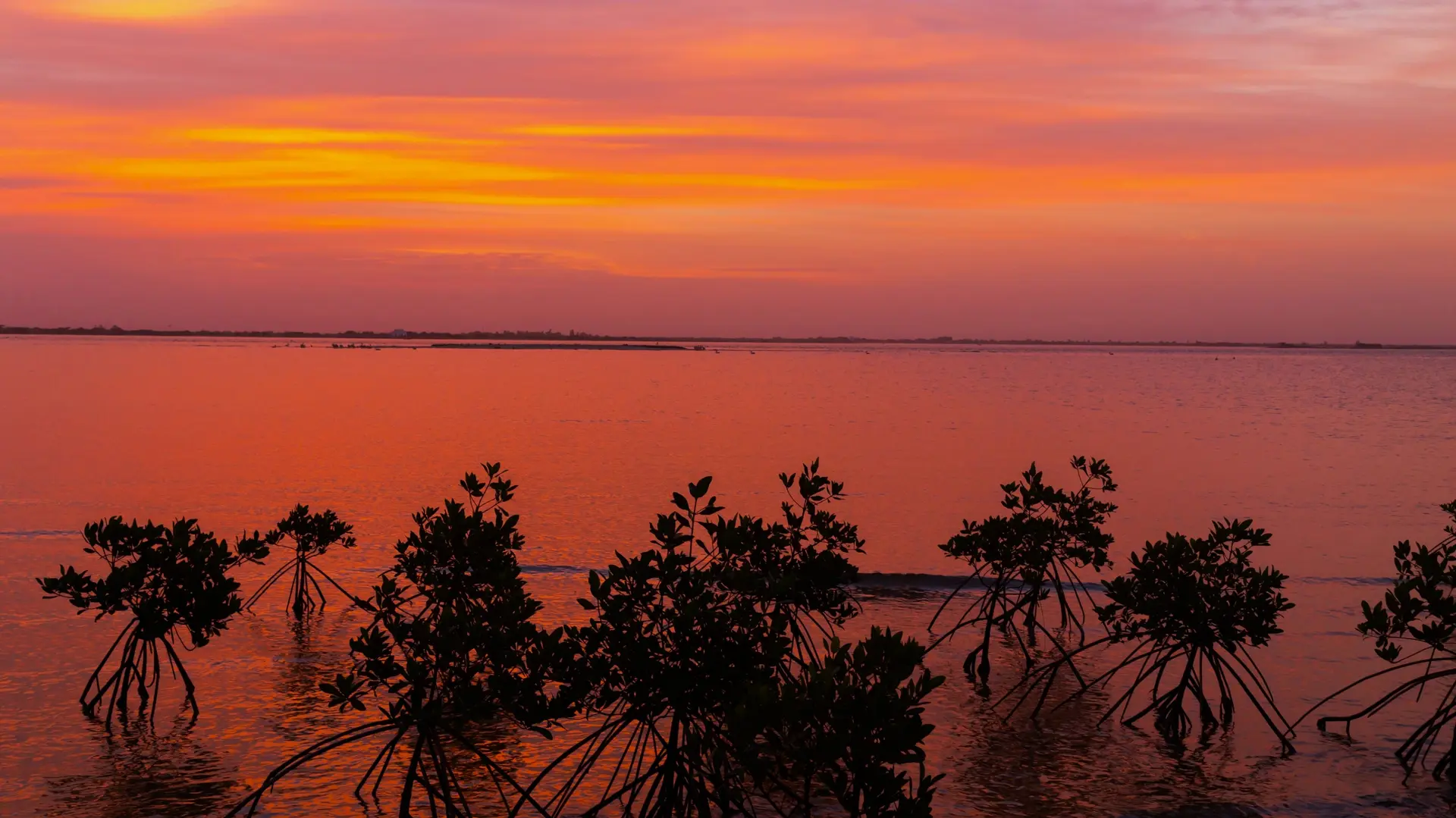
Sea & Beaches
Littoral, îles, sports nautiques
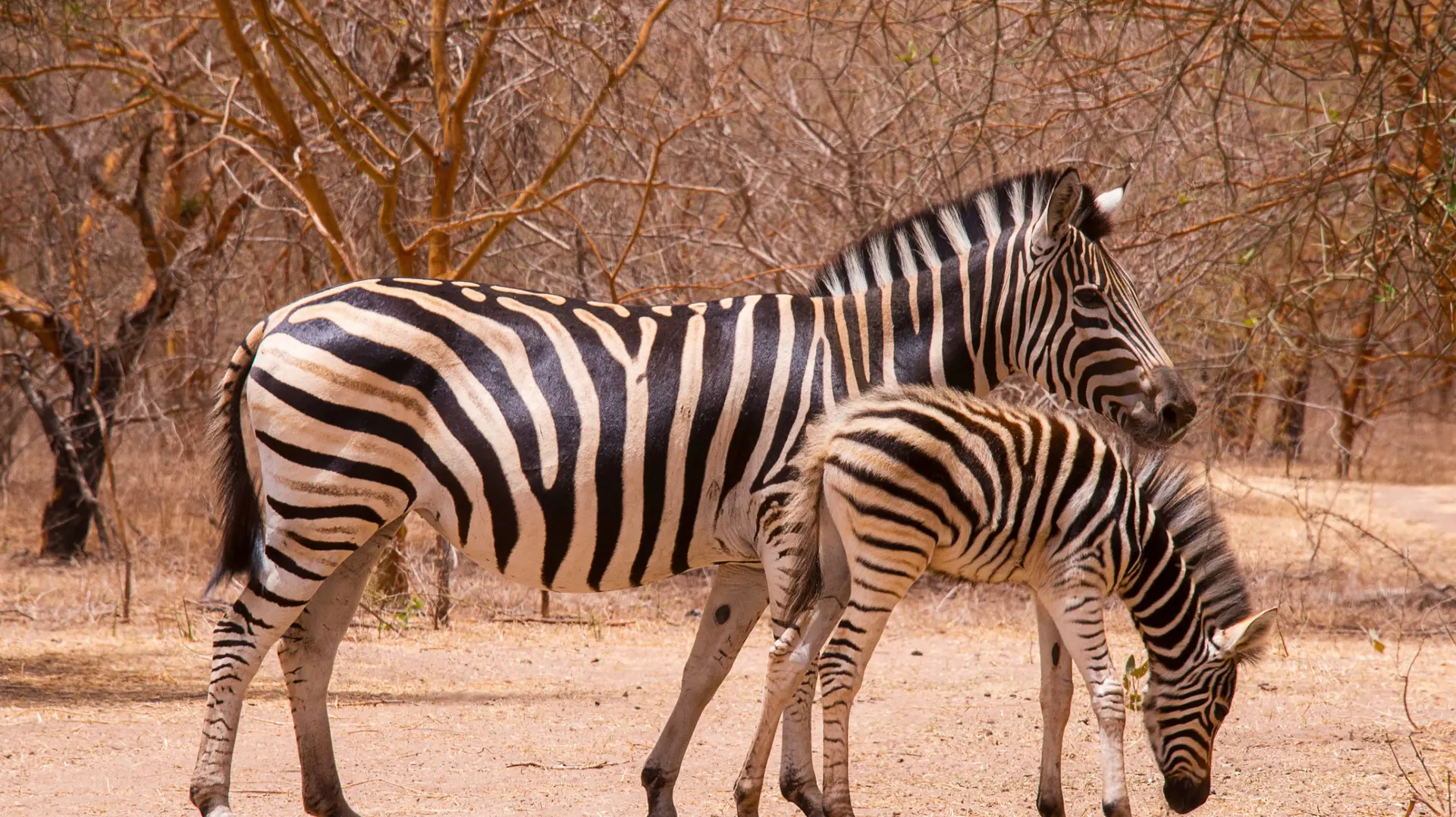
Faune et Biodiversité
Observation animale, sanctuaires, réserves
Activité et Aventure
Trek, kayak, escalade, sports outdoor
Vie Locale
Marchés, villages, rencontres locales
We use cookies to improve your experience and measure our site's audience. You can choose what you accept. Learn more.