Cap Skirring
Cap Skirring
Cap Skirring, at the southwestern tip of Casamance, captivates visitors with its long stretches of white sand, rolling surf, and the vibrant Diola culture of its hinterland.
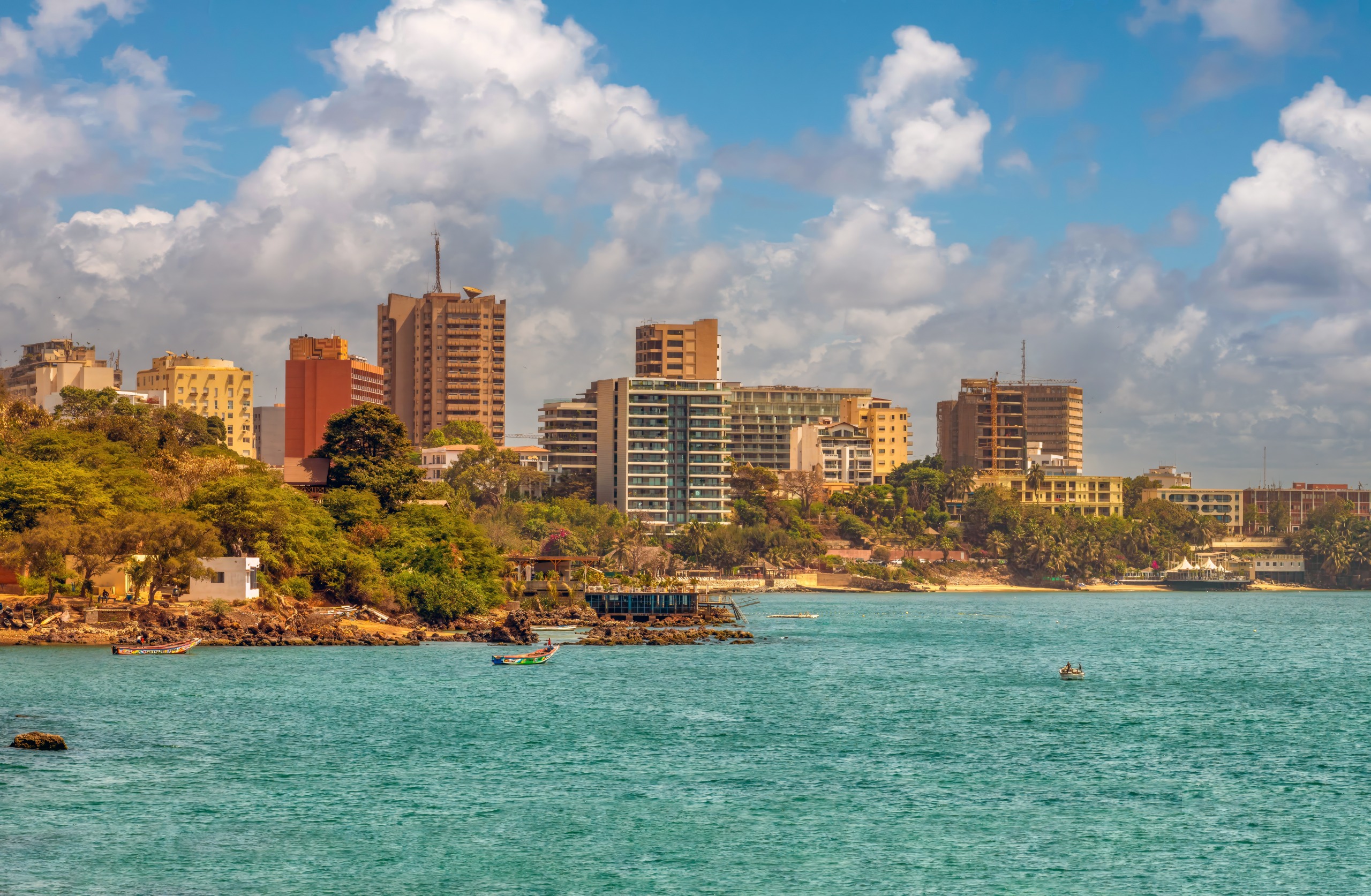
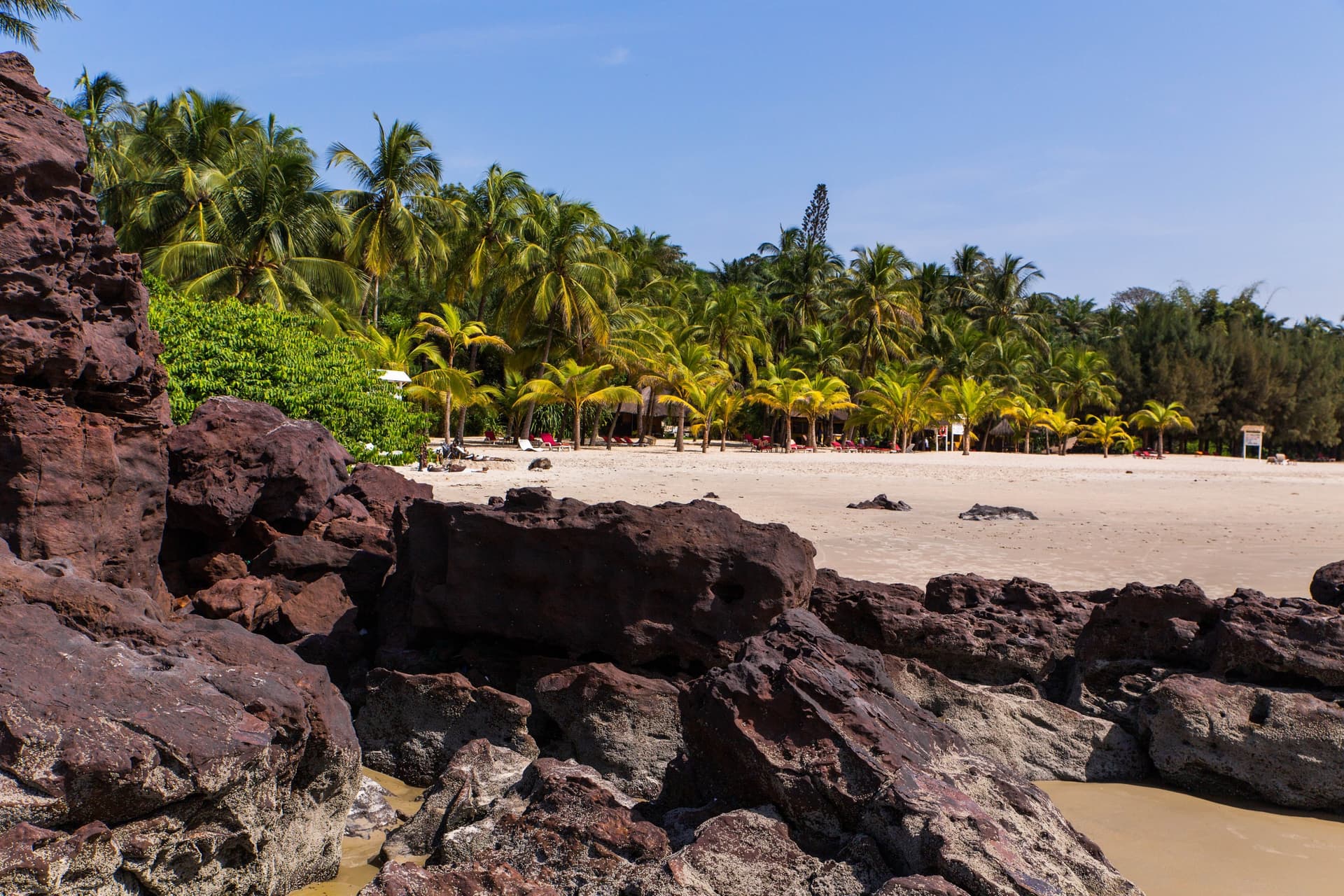
Cap Skirring is a coastal resort town located at the southwestern edge of Casamance, in the Ziguinchor region. Its white-sand beaches fringed with coconut palms, calm waters, and reputation as a premier surf destination make it one of Sénégal's most coveted shorelines. The village retains a relaxed atmosphere far removed from Dakar's hustle, with a strong presence of Diola culture woven throughout daily life.
Quick facts at a glance
- Access from Dakar: domestic flight to Ziguinchor or Cap Skirring airport, followed by taxi or moto-taxi transfer; overland route via Gambia is lengthy and not recommended without a local guide.
- Best time to visit: November through April (dry season), avoid June to September when rains make many roads impassable.
- Dress code: casual beachwear on the shore; cover up respectfully when visiting villages and markets.
- Suggested duration: 3 to 5 days minimum to experience the beaches and pirogues excursions fully.
- Accessibility: limited mobility access — beaches are undeveloped, laterite roads surround the town.
What to see
The main beach at Cap Skirring stretches for several kilometres with fine sand and waves suited to surfing and bodyboarding. Colorful fishing pirogues operated by Diola fishermen animate the shore each dawn. The hinterland reveals towering kapok forests, rice paddies, and traditional villages accessible on foot or by bicycle.
History and context
Cap Skirring developed as a tourist resort in the 1970s, initially attracting a European clientele, particularly French visitors. The region belongs to Diola country—an animist, rice-farming people whose traditions remain strong despite decades of Casamance conflict. Relative peace since the 2010s has rekindled both local and international tourism.
Highlights of a visit
The beach and surfing
Cap Skirring's waves draw both novice and experienced surfers. Several surf schools operate year-round, offering lessons tailored to all levels. Beyond the main breaks, sheltered coves provide safe swimming for families.
Fishing and the fish market
Early mornings bring pirogues laden with barracuda, snapper, and prawns back to shore. The fish market is a living tableau where Diola women haggle over the day's catch. Several beachfront restaurants will prepare fish purchased directly from the market vendors.
Bolong excursions by pirogue
The bolongs—mangrove-fringed tidal creeks—are best explored by pirogue from Cap Skirring or nearby settlements. These journeys reveal waterbirds, green monkeys, and occasionally manatees in pristine surroundings.
Diola villages of the interior
Towns like Kabrousse and Mlomp, reachable by bike or bush taxi, preserve traditional round-houses with central courtyards and raised rice granaries. A visit with a knowledgeable local guide prevents cultural missteps and provides access to ceremonies open to outsiders.
Photography tips
Golden morning light between 6 and 8 a.m. is ideal for capturing pirogues on the beach. Late afternoon brings vivid hues to Atlantic sunsets. Always ask permission before photographing residents, particularly in Diola villages where certain sacred practices forbid cameras.
Location and access
Cap Skirring lies in Ziguinchor region, roughly 70 km southwest of Ziguinchor town. Cap Skirring Airport receives flights from Dakar. From Ziguinchor, bush taxis and car-rental services provide onward connections. The main road is paved to Cap Skirring, but village tracks are laterite and may become impassable during the rainy season.
Local agencies in Ziguinchor arrange guided excursions to Ziguinchor and the surrounding bolongs.
Nearby attractions
- Ziguinchor — Casamance's vibrant capital, featuring a bustling central market, colonial-era architecture, and riverside charm along the Casamance River.
- Lower Casamance National Park — dense forest and wildlife sanctuary accessible on day trips from Cap Skirring.
- Kabrousse — neighboring Diola settlement renowned for its distinctive architecture and living ancestral traditions.
- Mlomp — village celebrated for its iconic stilt-mounted rice granaries, a hallmark of Casamance vernacular design.
Want to discover this destination?
Our local advisors design your tailor-made trip.