House of Slaves
On Gorée Island, the House of Slaves preserves original cells, the Door of No Return, and a museum dedicated to the memory of the Atlantic slave trade. A UNESCO World Heritage site, 20 minutes from Dakar by ferry.
On Gorée Island, a short boat ride from Dakar's harbor, the House of Slaves stands as one of the most moving testimonies to the Atlantic slave trade. Built in the 18th century, it preserves its original cells, its "Door of No Return," and a museum dedicated to the memory of millions of Africans deported across the ocean. The site has been listed as UNESCO World Heritage since 1978, as part of Gorée Island.
Quick Reference
- Access to the island: ferry from Dakar harbor (Gorée Embarcadère) — crossing takes approximately 20 minutes.
- Admission: paid entrance fee (rates to be confirmed on site; separate from ferry ticket).
- Recommended duration: 1 to 1.5 hours for the house and museum; allow half a day for the island.
- Dress code: no restrictions, but the site calls for respect and sobriety.
- Guided tours: local guides offer commentary tours on site, in English-speaking and French.
What You'll See
The house is a two-level building: the ground floor housed cells where enslaved people were crammed before embarkation; the upper floor, more airy, was reserved for the merchant and his family. The Franco-Portuguese colonial architecture contrasts sharply with the documented conditions of detention in the basement.
- The cells: narrow, dark, separated by sex, age, and "market value."
- The Door of No Return: direct opening onto the ocean, the site's central symbol.
- The museum: documents, maps, artifacts, and panels tracing the history of the trade and African resistance.
History and Context
Gorée came successively under Portuguese, Dutch, English, and then French rule from the 15th to 19th centuries. The House of Slaves, built around 1776, is associated with the figure of the signare Anna Colas Pépin. Her exact role in the slave trade is subject to historiographical debate, with some scholars arguing that the number of deportees who passed through this specific building is overstated. The site remains, nonetheless, an internationally recognized memorial, visited by numerous heads of state.
Curator Joseph N'Diaye, who died in 2009, devoted his life to making this place a living memorial and welcomed personalities such as Nelson Mandela, Bill Clinton, and Pope John Paul II.
Highlights of the Visit
The Door of No Return
This opening onto the Atlantic is the symbolic heart of the site. Standing before the ocean from this threshold gives concrete dimension to the abstract history of deportations. It is here that commemorative ceremonies are held.
The Basement Cells
Each cell bears an inscription indicating the category of detainees confined there. The darkness and cramped spaces make the visit physically striking, beyond any narrative.
The Museum and the Guide's Explanations
Local guides, often descendants of island families, bring a personal and nuanced reading of history. Their account transcends a simple building tour.
Photography Tips
Natural light enters through the Door of No Return and creates strong contrast with the darkness of the cells — a privileged angle in mid-morning. Inside the cells, light is very low: a camera capable of high ISO is useful. Respect other visitors; some experience this place as a pilgrimage.
Location and Access
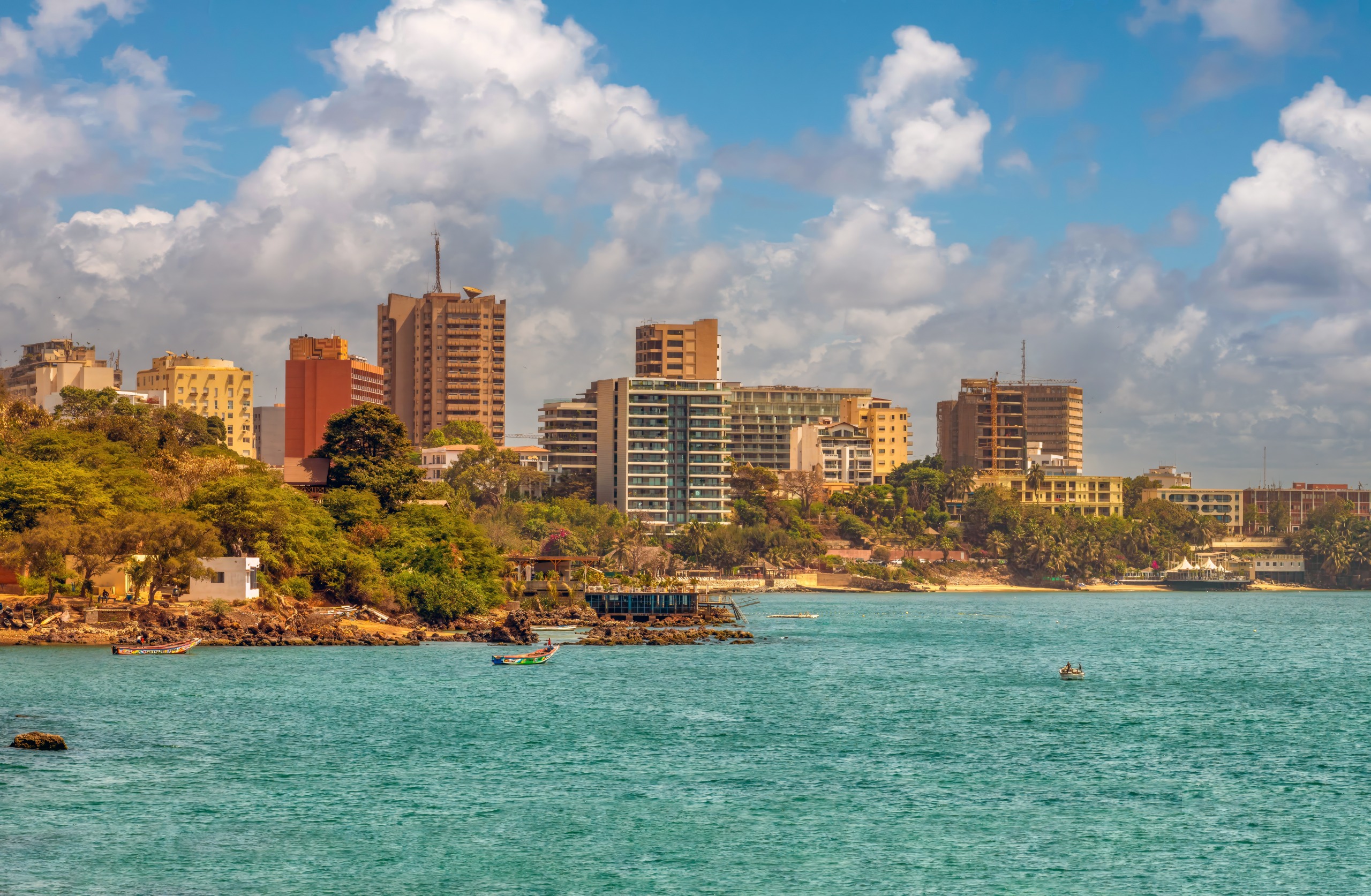
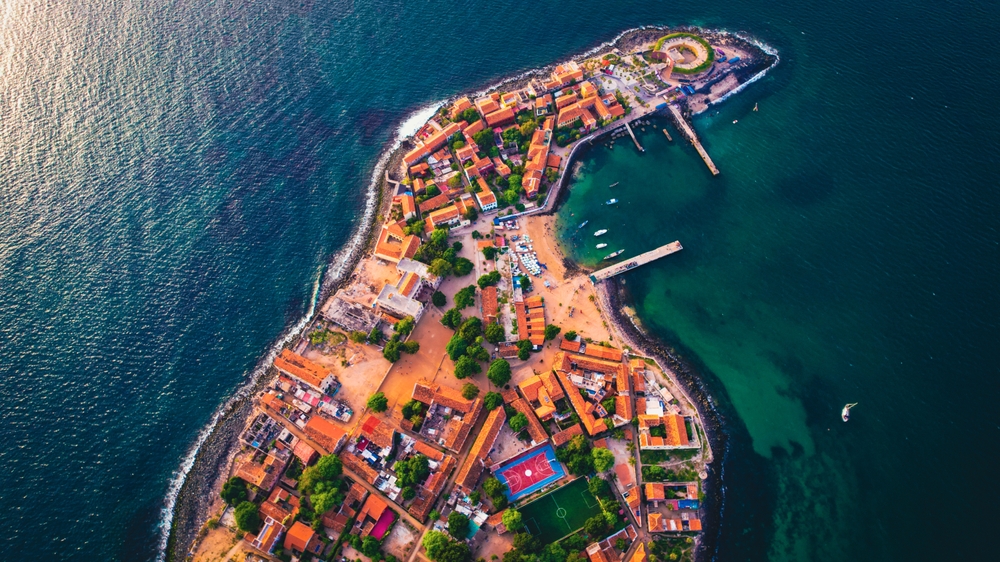
The House of Slaves is located on Gorée Island, approximately 3.5 km off the coast of Dakar. The ferry departs from the Gorée Embarcadère, located near Dakar's harbor. Once on the island — entirely pedestrianized — the building is accessible on foot within minutes of disembarking. The island is small and easily walkable; accessibility for people with disabilities remains limited due to terrain and cobblestones.
Nearby places to combine: Gorée Island as a whole, the Gorée Historical Museum, and the colorful colonial houses of the village.
Nearby
- Gorée Island — preserved colonial village, beaches, art galleries, and 18th-century architecture to explore after your visit.
- Gorée Historical Museum — collections on Senegal's precolonial and colonial history, housed in the former fort.
- African Renaissance Monument — visible from the island, this Dakar monument offers a contemporary counterpoint to the memory of the trade.
- Village of Arts in Dakar — space dedicated to contemporary Senegalese artistic creation, on the mainland.
Frequently asked questions
Take the ferry from the Gorée Embarcadère, near Dakar's harbor. The crossing takes approximately 20 minutes. Once on the island, the house is accessible on foot within minutes.
No reservation is necessary for the house itself. However, ferry tickets can be purchased on site; arrive early on weekends and during high season to avoid waiting.
The dry season (November to May) offers the best conditions: moderate heat, clear skies. Avoid weekends and Senegalese public holidays if you prefer a quieter visit.
Yes, from a certain age. The subject matter is grave and the cells can be disturbing for very young children. Guides know how to adapt their presentation according to the audience.
Absolutely. Gorée Island can be explored in half a day to a full day: the house of slaves, historical museum, beaches, restaurants, and art galleries are all accessible on foot.
Photography is generally permitted, but check with the guide or attendant at the entrance. Be discreet, particularly in the presence of other visitors in contemplation.
Interested in this visit?
We can include it in your personalised itinerary.