Gorée Island
Gorée Island
Just 20 minutes from Dakar by ferry, Gorée Island is a car-free UNESCO site marked by the history of the Atlantic slave trade. Colorful streets, the House of Slaves, and museums make it a major historical stop.
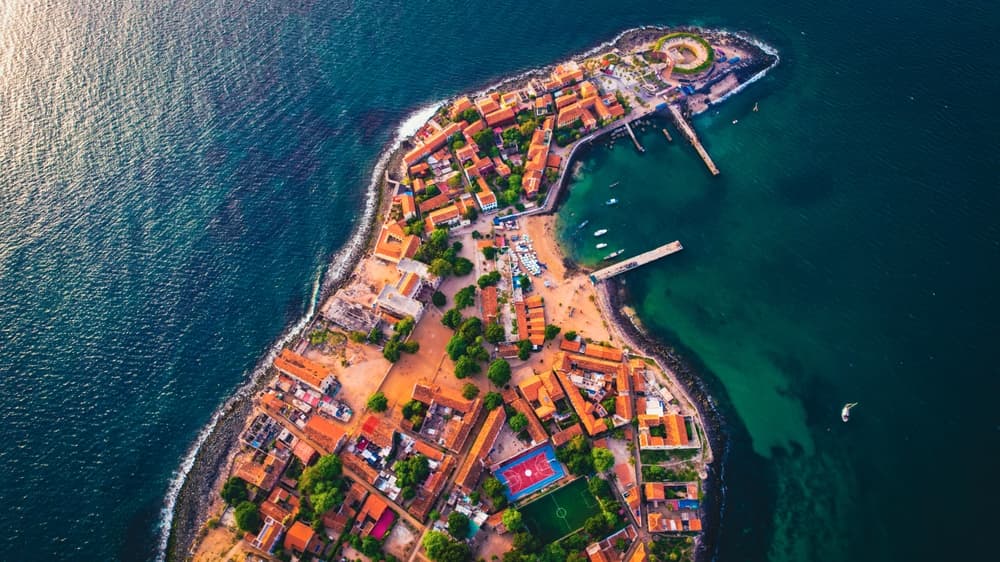
Located just a few kilometers off the coast of Dakar, Gorée Island has been a UNESCO World Heritage Site since 1978. A former hub of the Atlantic slave trade, it preserves remarkably intact colonial architecture and historical memory that make it one of the most important places of remembrance in West Africa. Today inhabited, quiet, and free of cars, the island offers a striking contrast to Dakar's bustling energy.
Quick practical info
- Access: ferry from Dakar port (Maritime Station dock) — crossing takes approximately 20 minutes.
- Entry to the island: free; certain museums and the House of Slaves have admission fees.
- Recommended duration: half a day to a full day.
- Dress code: no particular restrictions, though respectful attire is recommended in memorial sites.
- Car-free: the entire island is pedestrian-only.
What to see
The island can be explored on foot in less than an hour. Cobbled streets line colonial houses with ochre and pink facades, adorned with bougainvillea. The House of Slaves, built in the 18th century, is the most visited monument: its underground cells and the "Gate of No Return" symbolize the deportation of millions of Africans into slavery.
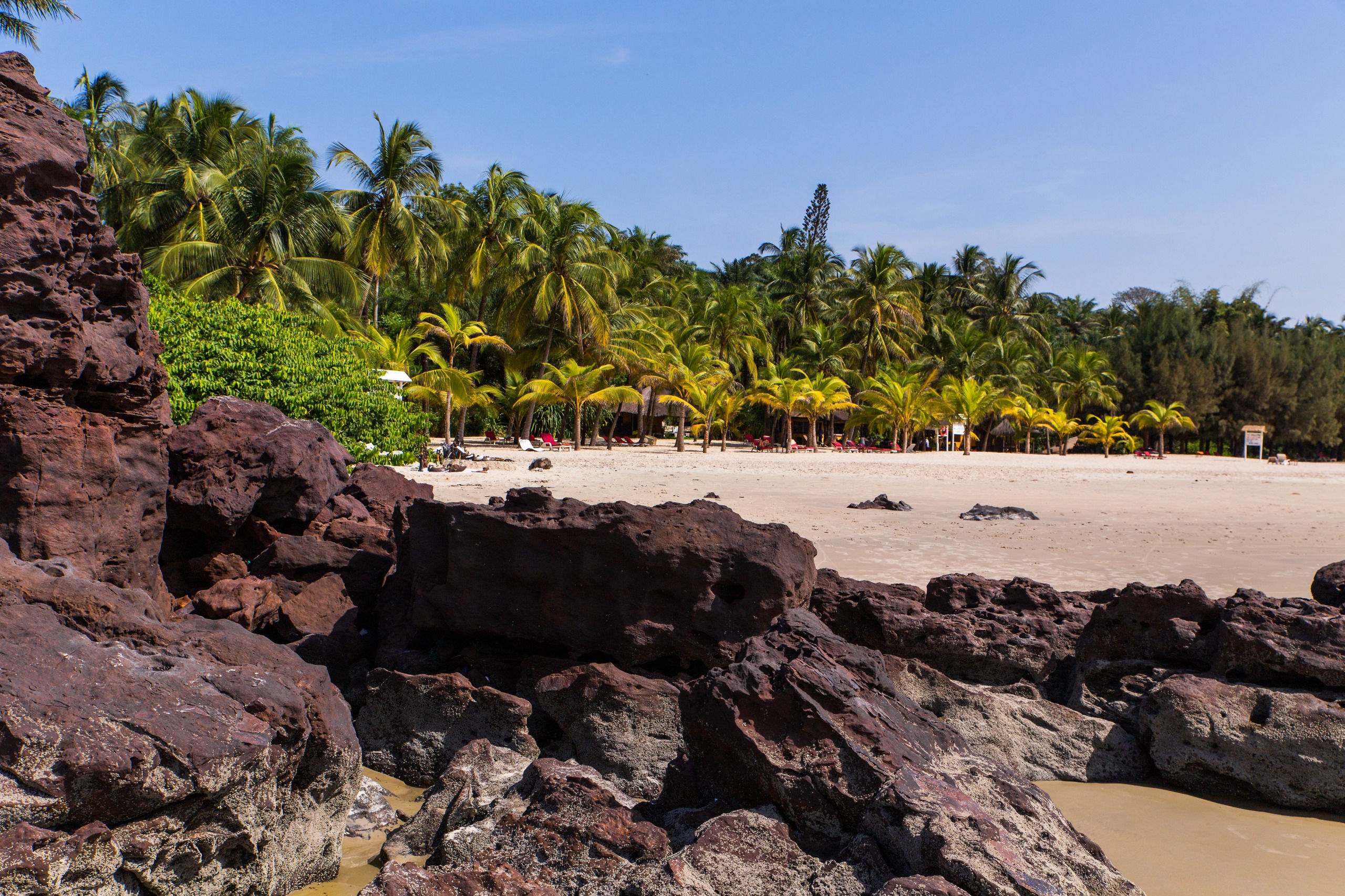
The Historical Museum traces the island's history from prehistoric times through the colonial era. Fort Estrées, perched on the higher ground, also houses permanent collections. The quieter beaches on the northern part of the island offer a pause overlooking the Atlantic.
History and context
Gorée was occupied successively by the Portuguese (from 1444), the Dutch, the English, and finally the French, who made it a major trading post. From the 16th to the 19th century, the island played a central role in the triangular trade. Its UNESCO listing in 1978 affirmed its value as a site of universal remembrance. Figures such as Nelson Mandela and Pope John Paul II have visited to pay their respects.
The current population, numbering just a few hundred, maintains a peaceful village life, with craftspeople, painters, and fishermen.
Highlights of the visit
The House of Slaves
Built around 1776, this two-story residence illustrates the brutal coexistence between the merchants' apartments upstairs and the slave cells on the ground floor. The guided tour, led by the curator or successors, brings an irreplaceable human dimension to the place.
Fort Estrées and the Historical Museum
Constructed by the Dutch in the 17th century and later modified by the French, the fort overlooks the island. The museum inside displays prehistoric objects, ancient maps, and testimony about the trade. The view from the ramparts over Dakar and the Atlantic is unobstructed.
Colonial village architecture
Houses with wooden galleries, painted in warm tones, form a cohesive and photogenic urban ensemble from every angle. Some house artists' studios and galleries open to visitors.
Photography tips
Morning light, before tourist groups arrive, is ideal for photographing the streets and colorful facades. Late afternoon offers raking light that highlights the texture of ancient walls. Inside the House of Slaves, light is low: a fast lens or high ISO sensitivity is useful. Photos inside the cells are permitted, but respect for the site is paramount.
Location and access
Gorée Island lies approximately 3.5 km offshore from Dakar port. The ferry departs from Dakar's Maritime Station, accessible by taxi or bus from the city center. The crossing takes about twenty minutes. The island is entirely pedestrian: no motorized vehicles circulate. Wheelchair access is limited by the cobbled streets and elevation changes, particularly toward the fort.
Guided tours are available on the island itself, particularly at the House of Slaves.
Nearby attractions
- African Renaissance Monument — visible from the island, this 49-meter monument overlooks Dakar from the Mamelles hills.
- Kermel Market — covered market in central Dakar, ideal for crafts and spices, minutes from the Maritime Station.
- Cathedral of African Remembrance — early 20th-century neo-Romanesque building in Dakar's Plateau neighborhood.
- IFAN Museum (Théodore Monod Museum) — one of West Africa's most important collections of art and ethnography, in Dakar.
Frequently asked questions
The dry season, from November to May, offers the best conditions: clear skies, moderate heat, and calm seas for the ferry crossing. During the rainy season (July-September), showers can be intense but the island remains accessible.
A half day is sufficient for the main sites. A full day allows time to visit the museums, dine at one of the island's restaurants, and enjoy the quieter beaches in the north.
Yes. The ferry departs early in the morning; returning in early afternoon leaves time to visit the IFAN Museum, Kermel Market, or the Plateau neighborhood on the same day.
Photography is generally permitted, including inside the cells. As the site is a memorial, respectful behavior is expected and photographing other visitors without consent should be avoided.
Several small restaurants and terraces serve Senegalese dishes on the island. A few guesthouses offer overnight stays, for a quieter experience away from Dakar.
Access is partial: cobbled streets and slopes toward the fort make wheelchair circulation difficult. The lower part of the village, which is flatter, remains accessible. It is advisable to check with the local agency before your visit.
Interested in this visit?
We can include it in your personalised itinerary.