Saint-Louis
Saint-Louis
A former AOF capital listed by UNESCO, Saint-Louis blends 19th-century colonial architecture, fishermen's life on the Langue de Barbarie, and an international jazz festival, all bathed in the golden light of the Sénégal River.
Saint-Louis, former capital of French West Africa, sprawls across a river island wedged between the Sénégal River and the Atlantic Ocean, at the country's far north. Its arcaded colonial streets, wrought-iron balconies, and golden light make it one of West Africa's most photographed cities. Designated a UNESCO World Heritage site since 2000, it combines 19th-century architecture, Fulani and Wolof culture, and a vibrant jazz scene.
Quick facts at a glance
- Access from Dakar: approximately 270 km north via RN2; buses, shared taxis, and domestic flights available.
- Recommended duration: 2 to 3 days to explore the island, Langue de Barbarie, and surroundings.
- Dress code: light clothing recommended (heat); cover shoulders and knees to enter mosques.
- Accessibility: irregular paved streets on the island; limited mobility challenging in historic alleys.
- Best time to visit: November to February (milder temperatures, jazz festival in November).
What to see
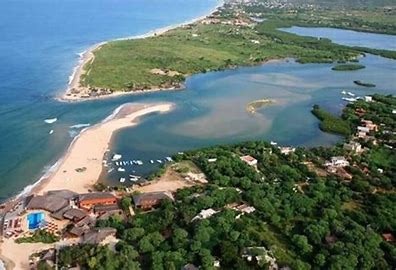
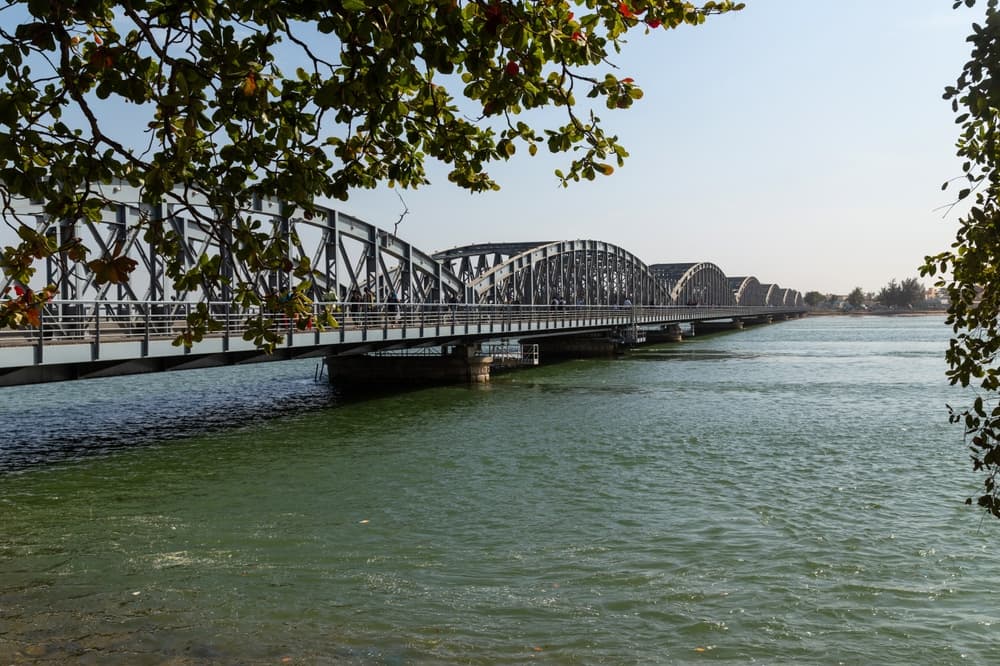
The island of Saint-Louis concentrates most of the colonial heritage: two-story houses, arcaded galleries, shaded courtyards. The Faidherbe Bridge, built in 1897, connects the island to the Sor district on the continental bank. The Langue de Barbarie, a narrow sandbar, harbors fishing camps and a bird sanctuary. The central market and Guet Ndar quarter, inhabited by Lébou fishermen, pulse with daily life.
History and context
Founded by the French around 1659, Saint-Louis was the first permanent European outpost in sub-Saharan Africa. It became capital of Sénégal and then French West Africa before being supplanted by Dakar in 1902. This history stratifies the city: colonial architecture, influences from neighboring Mauritania, and Senegalese traditions blend uniquely here. The signares, mixed-race women from unions between European merchants and African women, long held the economic and social reins of the city.
Highlights of your visit
The Faidherbe Bridge
Designed by Eiffel's workshops, this two-level metal bridge spans the Sénégal River for over 500 meters. It remains the city's architectural symbol and offers sweeping views of colonial rooftops and colorful pirogues.
Langue de Barbarie
This narrow coastal strip separates the river from the ocean. Hundreds of migratory bird species can be observed here, notably within Langue de Barbarie National Park. Fishing pirogues return at sunset in a spectacle of vivid colors.
The jazz festival
Each November, the Saint-Louis International Jazz Festival draws musicians from around the world. Concerts are held outdoors in colonial courtyards and squares, blending jazz, blues, and West African music.
The Guet Ndar quarter
Densely populated, this fishing quarter on the Langue de Barbarie concentrates intense social life. Painted pirogues, nets drying in the sun, and women processing fish compose a living tableau far from standard tourist circuits.
Etiquette and visit guidelines
- Always ask permission before photographing people, especially in residential areas and markets.
- Cover shoulders and knees to enter mosques; remove your shoes at the entrance.
- In Guet Ndar, adopt a discreet attitude: it's a residential neighborhood, not a tourist site.
Photography tips
Golden morning and evening light enhances ochre facades and wrought-iron balconies. The Faidherbe Bridge photographs best from the riverbanks on the Sor side in late afternoon. For pirogues, position yourself on the Langue de Barbarie shore at fishermen's return, late morning. The island's alleys offer interplay of shadow and light throughout the day.
Location and access
Saint-Louis sits at the mouth of the Sénégal River, at the Mauritanian border. The historic island is connected to Sor (continental bank) by the Faidherbe Bridge and to Langue de Barbarie by a more recent bridge. Taxis and carts (pousse-pousse) circulate on the island. Saint-Louis airport provides connections to Dakar. From the city, the Langue de Barbarie National Park is accessible by pirogue or vehicle.
Nearby attractions
- Langue de Barbarie National Park — bird sanctuary a few kilometers south, ideal for spotting pelicans and flamingos.
- Djoudj Bird National Park — world's third-largest bird reserve, UNESCO-listed, approximately 60 km northeast.
- Richard-Toll — agricultural town on the Sénégal River, known for sugarcane cultivation and Baron Roger's castle.
Frequently asked questions
The dry season, November to February, offers milder temperatures and coincides with the International Jazz Festival in November. Avoid the rainy season (July-September) and peak heat (April-June).
Two to three days allow you to explore the historic island, Langue de Barbarie, and make an excursion to Djoudj Park or Langue de Barbarie reserve.
Yes. Saint-Louis naturally combines with Djoudj Bird National Park to the northeast and Langue de Barbarie reserve to the south. From Dakar, a 4 to 5-day circuit is common.
Light clothing suits the city. Bring garments covering shoulders and knees if you wish to enter mosques.
Colonial architecture and river landscapes photograph without restriction. For people, always ask permission, especially in residential quarters like Guet Ndar.
The island is walkable or accessible by cart. Taxis serve Sor and surroundings. For Langue de Barbarie and Djoudj, pirogue excursions or 4x4 tours are organized by local agencies.
Attractions in Saint-Louis
Parc national des oiseaux du Djoudj
À 60 km de Saint-Louis, le Parc national des oiseaux du Djoudj est un site UNESCO et Ramsar qui accueille des millions d'oiseaux migrateurs.
Parc national de la Langue de Barbarie
Fine bande de sable entre le fleuve Sénégal et l'Atlantique, la Langue de Barbarie abrite pélicans, tortues marines et oiseaux migrateurs. Un site naturel exceptionnel à deux pas de Saint-Louis.
Want to discover this destination?
Our local advisors design your tailor-made trip.